
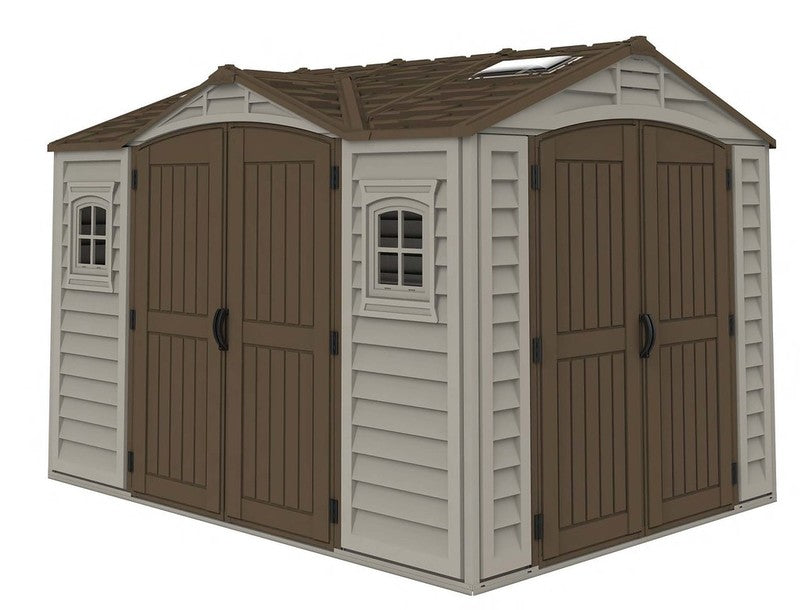
Workout Shed Ideas: How to Turn a Backyard Shed Into a Home Gym (Planning + Layout + Setup)

Workout Shed Ideas: How to Turn a Backyard Shed Into a Home Gym (Planning + Layout + Setup)

Workout Shed Ideas: How to Turn a Backyard Shed Into a Home Gym (Planning + Layout + Setup)

Workout shed ideas are changing the way homeowners train at home. A dedicated gym shed gives you privacy, convenience, and a space you can customize for strength training, cardio, yoga, or full-body workouts—without taking over your garage or living room.

In this guide, you’ll learn how to plan a home gym shed, choose the right size, pick the best flooring, handle insulation and ventilation, set up lighting and electrical, organize equipment, and stay on the right side of permits and safety.


What this article covers

  • Why a workout shed is worth it
  • Planning your home gym shed (location + layout)
  • Best shed size for a gym setup
  • Flooring options for a gym shed
  • Insulation, temperature control, and ventilation
  • Lighting and electrical basics
  • Storage and organization ideas
  • Design touches that boost motivation
  • Legal + safety considerations

Why Build a Home Gym Shed? (Top Benefits)

A backyard workout shed makes fitness easier to stick with because it removes friction:

  • Convenience: no commute, no waiting for equipment, no crowds
  • Consistency: easier to train more often when your gym is steps away
  • Privacy: focus without distractions (great for early mornings or late-night workouts)
  • Customization: your equipment, your layout, your music, your vibe
  • Space efficiency: frees up your home/garage while keeping gear organized

If you want a year-round setup, choosing the right shed structure (and planning insulation/airflow early) matters just as much as the equipment you buy.


Planning Your Gym Shed (Before You Buy Anything)

The best workout shed setups start with a simple plan:

1) Decide how you’ll train

Your training style determines the layout and the shed features you’ll need:

  • Strength training: rack space, weight storage, reinforced flooring
  • Cardio: ventilation, noise control, stable power access
  • Yoga / mobility: open floor area, soft lighting, calm atmosphere
  • Mixed training: zones for lifting + conditioning + stretching

2) Pick the right location

Choose a spot that’s:

  • Level and well-drained (foundation and long-term stability)
  • Easy to access (you’ll use it more)
  • Not directly under trees (less debris and roof mess)
  • Thoughtful for noise (cardio and dropping weights can travel)

3) Plan utilities early

Even a basic fitness shed benefits from:

  • lighting
  • a fan or ventilation
  • outlets for treadmill/bike/TV/speakers

If you want a quieter, more comfortable gym space, an insulated building can help with temperature stability and sound dampening.


What Size Shed Do You Need for a Home Gym?

There’s no one perfect answer—your equipment and workout style decide it. Here’s a practical rule of thumb:

  • Small gym shed (8x8 to 8x10): yoga, dumbbells, bands, adjustable bench
  • Mid-size (10x10 to 10x12): bench + rack alternative + cardio machine
  • Bigger gym shed (12x16+): squat rack, barbell lifts, cardio zone, storage wall

If you’re considering a rack + barbell, plan for:

  • safe clearance around equipment
  • room for plates
  • space to move without hitting walls

A larger shed also makes it easier to create “zones” (strength / cardio / stretching), which keeps the gym tidy and functional.


Best Flooring for a Workout Shed

Flooring is one of the most important gym shed decisions—especially for weights.

Top gym shed flooring options

  • Rubber flooring (best all-around): shock absorption, durable, easy to clean
  • Interlocking rubber tiles: DIY-friendly, great for mixed training
  • Foam tiles (best for yoga/stretching): comfortable, but not ideal for heavy lifting
  • Rubber over plywood (for heavier lifting): strong base + impact protection

For serious lifting, consider a dedicated lifting platform area so the rest of the floor stays protected.


Insulation, Temperature Control, and Ventilation (Don’t Skip This)

A workout shed needs airflow. Without it, you’ll get heat buildup, humidity, and odors fast.

Ventilation essentials

  • vents + windows (if available)
  • an exhaust fan or high-quality circulation fan
  • moisture control (especially in humid climates)

Insulation basics

If you want a year-round gym:

  • insulate walls/roof where appropriate
  • weather-seal gaps at doors and joints
  • consider a small heater or portable AC depending on climate

Even if you don’t fully insulate, good ventilation is non-negotiable for comfort and safety.


Lighting and Electrical Considerations

Great lighting makes your gym feel bigger, safer, and more motivating.

Lighting tips for a gym shed

  • bright overhead LED lighting for general visibility
  • a second light zone over the rack/bench area
  • optional exterior light for night workouts

Electrical planning

Plan outlets for:

  • treadmill/bike/rower (if used)
  • lighting
  • fan/AC/heater
  • TV/speakers/charging station

For permanent wiring or new circuits, it’s smartest to use a licensed electrician and follow local code.


Organizing Your Gym Equipment (Storage That Actually Works)

A clean workout shed is easier to use—and safer.

Simple storage ideas for a gym shed

  • wall-mounted hooks for bands, jump rope, belts
  • vertical dumbbell storage or compact rack
  • shelves for towels, chalk, wipes, smaller accessories
  • a bench with storage compartments
  • labeled bins for recovery gear (rollers, straps, wraps)

Pro tip: store weights low and keep walkways clear to reduce trip hazards.


Design Ideas + Personal Touches (Make It a Space You’ll Use)

Your gym should pull you in, not feel like a storage room.

Easy upgrades that boost motivation:

  • mirrors (form checks + makes the room feel larger)
  • speaker system or TV mount
  • a simple color theme (clean and energetic)
  • goal board or chalkboard wall
  • plants (if ventilation/light allow)
  • a small “recovery corner” (mat + foam roller + stretching space)

Legal + Safety Considerations

Rules vary by city/county/state and sometimes by HOA—so keep this section general and accurate:

Permits and zoning

You may need approvals depending on:

  • shed size and height
  • placement and setbacks
  • electrical work, HVAC, plumbing
  • whether the space is considered “habitable” by local code

Safety checklist (worth doing)

  • non-slip flooring
  • grounded electrical + proper outlets
  • fire extinguisher + first aid kit
  • adequate ventilation (especially if using any heaters)
  • equipment load planning (rack + weights can be heavy)

Conclusion: Build a Gym Shed You’ll Actually Use

A workout shed is one of the most practical ways to upgrade your lifestyle at home. When you plan the layout, size, flooring, airflow, and power correctly, you end up with a personal fitness space that’s comfortable, organized, and motivating year-round.