
Menu
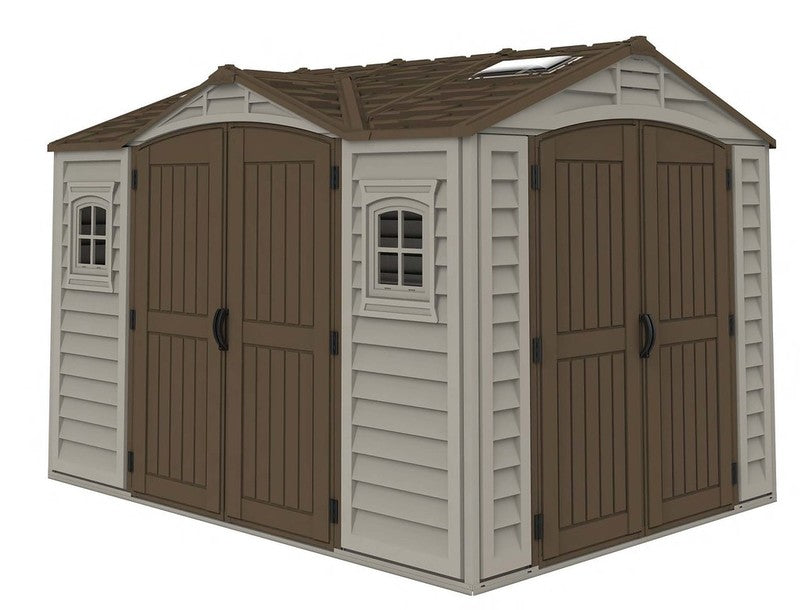

Need extra storage but don’t have room for a full-size shed? A lean-to shed is made for exactly that problem. With its single sloped roof and slim footprint, it fits neatly along a house wall, garage, or fence, turning narrow side yards into clean, organized storage for tools, bikes, bins, and seasonal gear.
So, what is a lean-to shed? It’s a compact outdoor storage shed designed to maximize unused space without overwhelming your yard. In this guide, you’ll learn what defines a lean-to shed, why homeowners choose it, how it compares to other shed styles, and the best placement ideas for real-life properties.
What This Article Covers
What Is a Lean-To Shed?

A lean-to shed is an outdoor storage shed with a single-slope roof designed to sit neatly against an existing structure like a home, garage, or fence line. That “lean-to” shape is what makes it so effective for tight spaces, especially narrow side yards where a freestanding shed would feel bulky or block walkways.
Compared to traditional gable-roof sheds, lean-to models are usually:
Many modern lean-to sheds come in vinyl or resin/plastic materials, which are popular because they’re low maintenance and resist common issues like moisture-related wear and termite damage.
Top Benefits of Lean-To Sheds

Lean-to sheds aren’t just smaller sheds—they’re smarter sheds for certain properties.
1) Space-saving storage for side yards
Lean-to sheds use space you already have: the strip beside your home, garage, or fence. They’re ideal for:
2) Affordable outdoor storage
Because lean-to sheds are typically compact, they can be more budget-friendly than larger shed styles while still offering durable, weather-ready storage.
3) DIY-friendly installation
Many lean-to shed kits are designed for simpler assembly with pre-cut panels and clear instructions—great for homeowners who want a weekend project option.
4) Low-maintenance materials (vinyl/resin advantage)
Vinyl and resin lean-to sheds don’t require painting, and they’re built to handle outdoor conditions with less upkeep than traditional wood styles.
5) Versatile storage for daily life
Lean-to sheds are perfect for the kind of items you’re constantly moving in and out:
6) Looks more “integrated” than many freestanding sheds
Because they sit along an existing structure, lean-to sheds often blend in better and feel more intentional—especially when placed and styled thoughtfully.
Common Uses for Lean-To Storage Sheds
A lean-to shed can be small, but it’s surprisingly effective for everyday storage needs.
Gardening tools and lawn supplies

Keep rakes, shovels, gloves, fertilizer, hoses, and pots within easy reach—especially if your shed sits near your garden zone.
Bikes and family outdoor gear
Lean-to sheds are great for households with kids because they prevent bikes and sports gear from taking over the garage or driveway.
Trash and recycling bin storage
A lean-to shed can “hide the bins” neatly, while keeping them protected from weather and reducing animal access.
Seasonal storage

Holiday décor, outdoor pillows, pool accessories, and seasonal gear rotate in and out easily—without eating up indoor space.
Household overflow storage

Bins, folding chairs, extra supplies—anything that doesn’t belong in the garage or house can live in a lean-to shed and stay accessible year-round.
Lean-To Sheds vs. Other Shed Styles (Which Should You Choose?)
If you’re comparing shed types, here’s the simple breakdown:
Lean-to sheds
Best for: tight spaces, side yards, everyday storage, quick access items
Tradeoff: not ideal if you need wide open interior space or storage for large equipment
Freestanding sheds (small/medium/large)
Best for: bigger yards and bigger storage needs (mowers, bulky furniture, workshop setups)
Tradeoff: requires more dedicated yard space
Larger “walk-in” shed styles (like Woodbridge-style footprints)
Best for: maximizing capacity and headroom, adding shelving/workbench capability
Tradeoff: needs more space and usually more foundation planning
If your goal is space efficiency and organization near the home, lean-to is usually the win. If you want long-term “room to grow,” a freestanding shed may be better.
Design and Placement Ideas for Lean-To Sheds

Placement is what makes a lean-to shed truly shine.
Alongside the home
Perfect for garden tools, hoses, and quick-access storage. It keeps your “outdoor routine” efficient.
Next to the garage
Ideal for bikes, sports equipment, and seasonal bins—creating a tidy transition between indoor and outdoor storage.
In a narrow side yard

This is the classic lean-to use case: turning a neglected side strip into functional storage without crowding the backyard.
Styled as a garden feature
Add gravel edging, a stepping-stone path, or climbing plants nearby to make the shed feel like part of the landscape instead of a utility box.
Find Space-Saving Sheds for Sale at Durasheds
If you want maximum storage in minimum space, a Duramax lean-to shed is one of the most practical upgrades you can make. It keeps everyday gear protected, reduces clutter fast, and fits where most sheds can’t.