
If you're planning to build an accessory dwelling unit in California in 2026, the first question is the most important one: how much does this actually cost? Total project costs range from roughly $110,000 on the low end for a turnkey panelized studio to $400,000 or more for a stick-built three-bedroom unit. Most homeowners land between $200,000 and $300,000 all-in. Here's where every dollar actually goes.
The short answer: typical California ADU costs in 2026
For a quick reference, here is what California homeowners are actually paying for fully installed turnkey ADUs in 2026, by size.
| Size | Bedrooms | Typical turnkey price range |
|---|---|---|
| 240 sq ft | Studio | $110,000 – $180,000 |
| 340 sq ft | Studio | $122,000 – $200,000 |
| 400 sq ft | 1 BR | $142,000 – $230,000 |
| 500 sq ft | 1 BR | $178,000 – $280,000 |
| 800 sq ft | 2 BR | $228,000 – $425,000 |
| 1,200 sq ft | 3 BR | $369,000 – $550,000+ |
The wide ranges in each row are not arbitrary. They reflect the difference between a panelized prefab system at the low end and a fully custom stick-built ADU at the high end, plus site-specific factors like soil conditions, lot access, and how far utility runs need to extend.
Where does the money actually go?
Every California ADU project breaks into roughly the same five cost buckets, even if the totals vary widely.
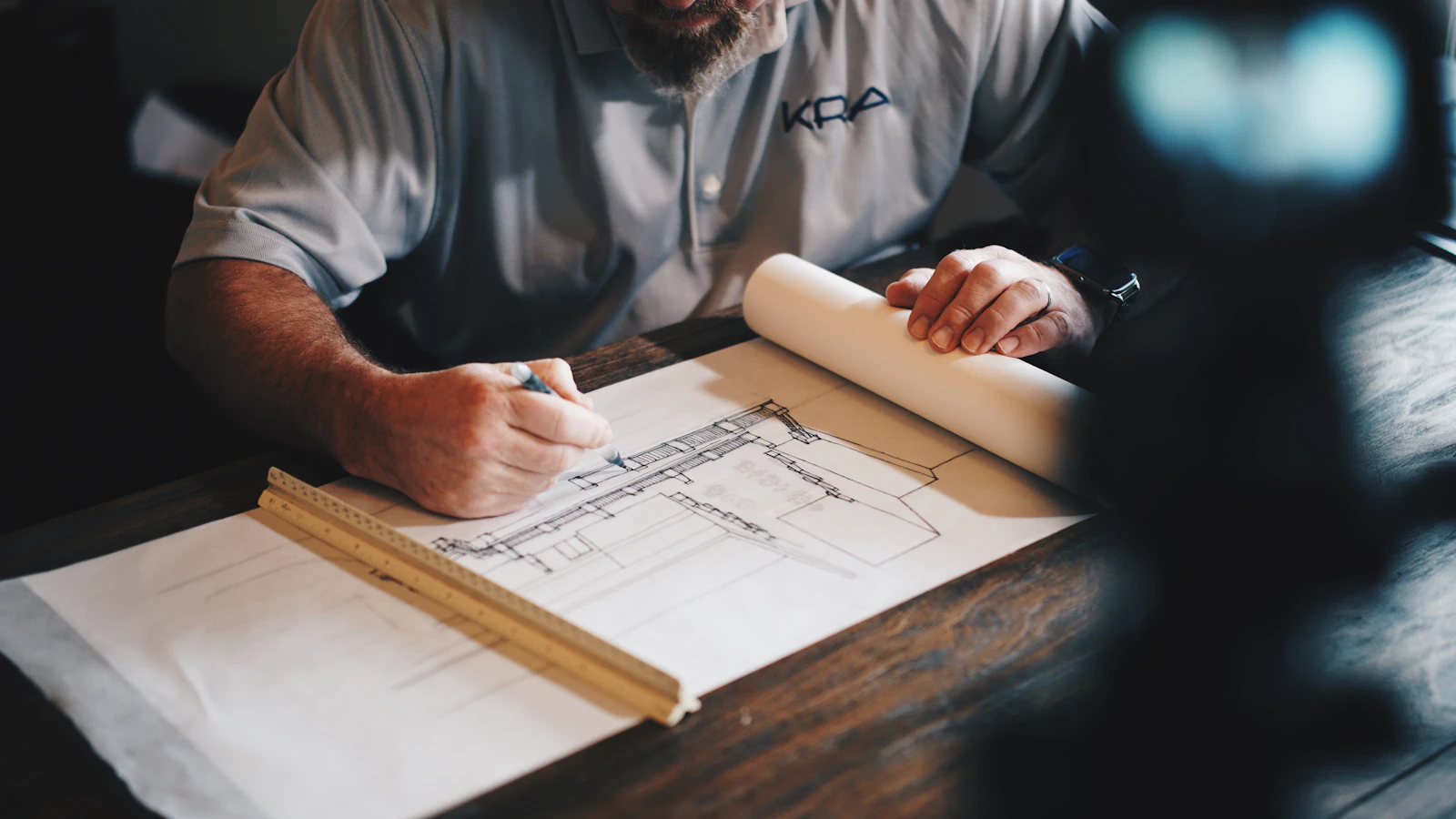
Design and engineering: $4,000 – $15,000
Architectural drawings, structural engineering, and Title 24 energy calculations. If you're using a prefab system with pre-engineered plans, this drops to almost nothing because the manufacturer covers it. Custom designs run higher.
Permits, plan check, and fees: $3,000 – $20,000
Permit fees themselves run $1,500 to $5,000 in most California cities. Impact fees are waived on ADUs under 750 sq ft under state law, but larger ADUs may still pay $5,000 to $30,000 in impact fees depending on the jurisdiction. Coastal-zone projects add a Coastal Development Permit fee in some cases.
Site preparation and foundation: $15,000 – $60,000
This covers grading, excavation, the foundation slab or piers, and rough utility trenching. Easy sites with short utility runs land at the low end. Hillside lots, soft soil, or long sewer runs to the back of a deep lot push toward the upper end. Engineered foundations for unusual sites can add another $20,000 to $50,000.
The structure itself: $70,000 – $280,000
This is the biggest variable. A panelized prefab system delivers the structural shell, factory-integrated mechanical-electrical-plumbing rough-ins, exterior finish, doors, and windows for $110,000 to $370,000 depending on size — turnkey installed. A stick-built ADU at the same square footage runs 30 to 60 percent higher because every component is built on-site.
Interior finish: $25,000 – $80,000
Drywall, paint, flooring, kitchen cabinets, kitchen appliances, bathroom fixtures, light fixtures, trim, and final MEP terminations. If you're using a turnkey prefab provider this is usually bundled into the structure cost; if you're working with a builder it's a separate line item.
Prefab vs. stick-built: the cost difference is real
Two homeowners on the same street can spend dramatically different amounts on the "same" 800 sq ft ADU. Here is why.
A fully site-built 800 sq ft two-bedroom ADU in California typically runs $350,000 to $425,000 all-in. The framing, drywall, MEP work, exterior finish, and roof are all built on your lot, in sequence, weather-dependent, with a contractor crew on site for 12 to 18 months.
A panelized prefab 800 sq ft ADU in California — same size, same bedroom count, code-compliant — typically lands at $228,000 to $300,000 all-in. The savings come from three places: factory production is faster and more consistent than field construction, the construction crew is on site for weeks instead of months, and the manufacturer can spread engineering and design costs across hundreds of units.
A volumetric modular (the kind that ships as a finished box on an oversized truck) sits between the two on price but adds crane and transport costs that don't apply to panelized systems.
What ADU calculators miss
Most online ADU cost estimators ask you for square footage and spit out a number based on a per-square-foot average. They miss the four costs that actually decide your final budget.
Utility extension distance
If your existing house has its electrical panel and sewer cleanout right next to where the ADU will go, utilities cost a few thousand dollars. If the ADU is at the back of a 200-foot deep lot, trenching and running new lines can add $15,000 to $25,000.
Soil and grading
A flat lot with good soil is easy. A sloped lot, expansive soil, or fill dirt requires an engineered foundation that can double your foundation cost.
Sewer capacity
If your existing house sewer line is at capacity, the city may require you to upsize the main line to the street. That's a $10,000 to $20,000 surprise that doesn't show up in any calculator.
HVAC service capacity
If your existing electrical panel can't handle a second residence, you may need a panel upgrade ($2,500 to $5,000) before the ADU can be powered.
A good prefab provider will surface these site-specific costs during the design call before you sign a contract. Calculator-only estimates almost never include them.
How financing changes the math
The total cost is one number. What you pay each month is a different number. California homeowners typically finance ADUs through one of four paths.
HELOC (home equity line of credit). You borrow against existing home equity. Interest rates are variable, payments are interest-only on the draw, and many homeowners pay down the line as rental income comes in. Best for projects where you can self-fund some of the cost.
Cash-out refinance. You refinance your primary mortgage at a higher balance and use the cash for the ADU. Locks in a fixed rate but resets your mortgage clock and incurs closing costs.
Renovation construction loan. A specialized loan that funds the construction in draws and converts to a permanent mortgage at completion. Best if you don't have enough home equity for a HELOC.
CalHFA ADU Grant Program. California's state housing finance agency offers grants of up to $40,000 to qualified homeowners for pre-development and non-recurring closing costs. The program has been intermittently funded since 2022 and currently has a waiting list when funds are depleted, so check calhfa.ca.gov for current status before banking on it.
Most California ADU buyers see monthly payments somewhere between $1,200 and $2,400 on a financed project. With typical California ADU rental income of $1,500 to $3,500 per month, the rental can fully cover the financed payment in most markets.
Cost factors specific to 2026
Three California 2026 laws meaningfully change ADU economics this year.
AB 462 streamlines coastal-zone permits. If your lot is in California's coastal zone, the previous Coastal Development Permit process cost $5,000 to $15,000 in fees alone and added 6 to 18 months. AB 462 introduces a 60-day approval window for coastal ADU permits, cutting both cost and time substantially.
Impact fees are still waived on ADUs under 750 sq ft. If your ADU stays under 750 sq ft, California state law prohibits cities from charging traditional development impact fees. This saves $5,000 to $30,000 depending on the city. For ADUs at or above 750 sq ft, impact fees can be charged but must be proportional to the ADU's size.
Permit fees in pre-approved cities are dropping. Cities like Los Angeles, San Diego, San José, and Sacramento have launched Standard Plan Programs that let manufacturers submit pre-approved ADU designs. Permit fees on pre-approved plans are typically 30 to 50 percent lower than on custom designs, and approval times drop from 60-90 days to 21-30 days.
What you should actually budget
A working budget for a California ADU project in 2026 should include:
- The manufacturer's installed price (this is the headline number)
- 10 to 15 percent contingency for site-specific surprises
- $5,000 to $10,000 for design upgrades you'll inevitably want
- Permit and inspection fees specific to your city
- Furnishing the unit if you're renting it out
For a typical California buyer building an 800 sq ft two-bedroom prefab ADU on a normal suburban lot in 2026, a realistic all-in budget is $260,000 to $310,000. That gets you a code-compliant, rentable, code-occupied dwelling that should generate $2,500 to $3,500 in monthly rent depending on your zip code, with a payback period of 7 to 10 years.
Get a real installed price for your specific lot
The DuraSheds team can prepare a custom quote within 48 hours — including site review, permit roadmap, financing options, and a realistic 4-to-9-month delivery schedule.
Book an Intro Call Browse 8 ADU Models