
Menu
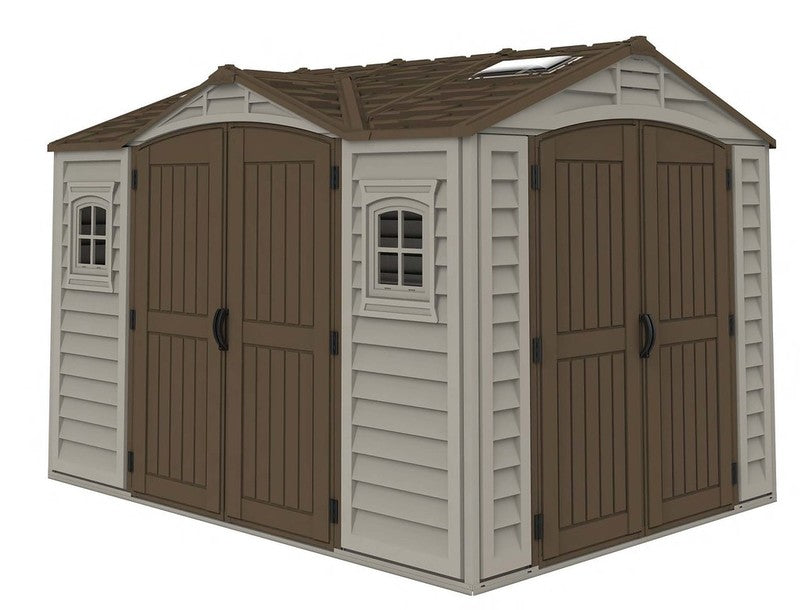

If you live in an HOA community, adding a shed is absolutely possible—but it usually requires approval before purchase or installation. HOAs exist to protect neighborhood appearance, property values, and safety standards, so sheds often fall under architectural rules covering size, height, placement, color/materials, and foundations. Skipping the process can lead to fines, forced removal, or problems when selling your home.
This guide gives general best practices for HOA shed approval, but always confirm your own HOA’s CC&Rs and local city/county permit rules.
Why HOAs Have Shed Rules (And Why They’re Strict)
Most HOAs regulate sheds for four main reasons:
Common HOA Shed Requirements (What You’ll Likely See)

Even though every HOA is different, these are the most common shed restrictions:
1) Approval before installation
Most HOAs require submitting an application to the board or an Architectural Review Committee (ARC) before you build or place a shed.

2) Size and height limits
Many HOAs cap shed footprint and height (sometimes stricter than city codes). Common examples include max sizes like 10x12 and height limits around 10–12 feet—but your HOA may vary.
3) Placement rules (setbacks + visibility)


4) Materials, colors, and roof style
HOAs often require the shed to match or complement the home, including:
5) Foundation/base rules
Some HOAs require a specific base type, such as:

How to Get HOA Approval for a Shed (Step-by-Step)
Here’s the fastest way to get a “yes” with fewer revisions:
Step 1: Read your CC&Rs + architectural rules first
Start with:
Look specifically for: accessory structures, outbuildings, sheds, setbacks, and colors/materials.
Step 2: Email/call the HOA board or ARC (before you apply)
If anything is unclear, ask:
This often prevents denial due to missing items.
Step 3: Build a “no excuses” shed proposal packet
Most HOAs want a complete, organized submission. Include:
Pro tip: If your HOA gets picky, add a sentence like:
“I will install the shed on a level base with drainage away from the structure and will follow all HOA and local permit requirements.”

Step 4: Check city/county permits separately
HOA approval does not replace local permitting. Many building departments require permits based on:
Step 5: Submit early (timelines can be slow)
HOAs can take weeks. Many reviews land in the 30–60 day range depending on meeting schedules and process.
Step 6: If denied—revise and resubmit
Most denials are fixable. Common reasons:
Consequences of Not Following HOA Shed Rules
HOA shed violations can lead to:
How to Choose a Shed That’s More Likely to Be HOA-Approved
To improve approval odds, aim for:
Practical tip for Durasheds shoppers
When selecting a shed, filter by approximate dimensions and height so you don’t accidentally choose a model that violates HOA size rules. Also, many HOAs request technical drawings—product spec drawings are often helpful for both HOA approval and permit applications.
HOA Approval for Sheds (FAQs)
Do all HOAs require approval for sheds?
Most do—even if the city doesn’t require a permit. Always confirm your community’s rules.
What information does my HOA need for shed approval?
Typically: dimensions, height, materials/colors, foundation type, and a site plan with setbacks.
How long does HOA approval take?
Varies widely. Some HOAs respond quickly; others take several weeks depending on ARC meeting cycles.
Can my HOA dictate shed color and materials?
Yes. Many HOAs enforce color palettes and exterior material rules for consistent neighborhood aesthetics.
What if my HOA denies my shed application?
Use their feedback as a checklist, revise (size, placement, color), and resubmit. Some communities allow appeals.