
Menu
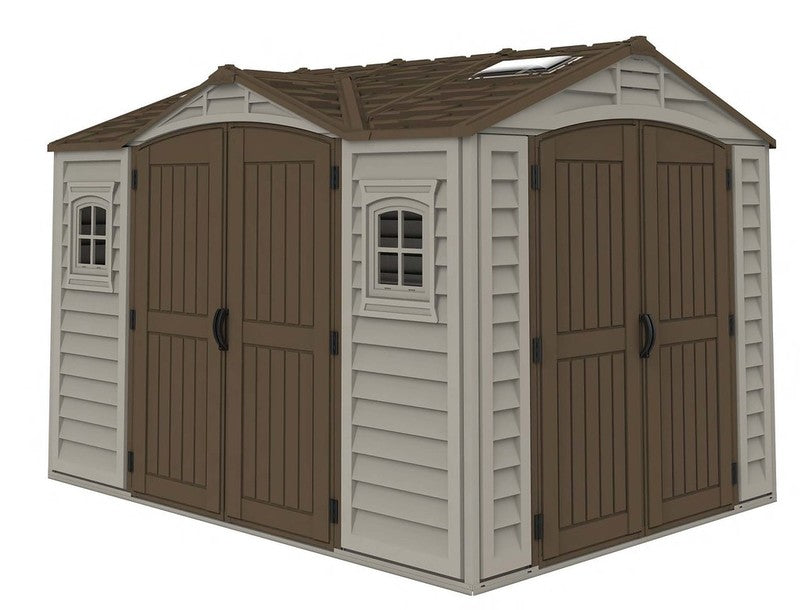

First—an important safety correction: you should not run a fuel-burning portable generator inside a shed or enclosed “generator box.” U.S. safety authorities warn that portable generators must never be used indoors or in enclosed spaces like garages or sheds because carbon monoxide (CO) can build up quickly and kill within minutes.
So in this guide, I’m going to give you generator “shed” ideas that are actually safe—meaning:
You’ll get practical options, layout tips, and what to avoid.
Why “Generator Sheds” Matter (But Must Be Done Right)
A good setup can help with:
Noise reduction is possible too—but it must never sacrifice safety and ventilation.

The #1 Rule: Don’t Run a Portable Generator in a Shed
Portable generators create CO and other hazards. Safety guidance is consistent:
This is why the best “generator shed” solutions are usually open-air shelters or storage-only sheds.
8 Safe Generator Shed Ideas (Practical + Creative)

1) Storage-Only Shed (Generator OFF) + Quick-Roll Platform
Store the generator inside a weatherproof shed when it’s not in use, but roll it out to a safe outdoor operating spot during outages.
Key features
2) Purpose-Built Generator Running Cover (Best for Rain/Snow)

Instead of a shed, use a manufacturer-style running cover/tent designed to keep rain off while allowing airflow.
Why it works:
3) Open-Sided “Roof Only” Shelter (Like a Mini Carport)

Build a small roof on posts with at least two (ideally three) open sides. This is the closest thing to a “generator shed” that can be safe—because it’s not enclosed.
Best practices:
4) Fence-Corner Generator Pad + Lockable Metal Cage

For theft prevention: create a dedicated outdoor pad with a lockable cage rather than a closed shed.
Why people love it:
5) Noise “Deflection Wall” (Not a Box)

If noise is the problem, skip soundproof enclosures and build a sound deflection screen:
This reduces noise without trapping exhaust.
6) Lean-To Roof (Detached) — Not Attached to the House
Your draft suggested attaching a lean-to to the home/garage. For generator operation, that’s risky because you must keep distance from doors/windows/vents.
If you like the lean-to concept, make it detached and open-sided, placed in a compliant location.
7) “Battery Generator” Indoor Power Station Corner (No Exhaust)
If your goal is quiet indoor backup power, consider a battery/solar power station setup (often called a “solar generator”). These don’t create CO like fuel-burning units. (Still follow electrical safety best practices.)
This is a totally different, very popular “shed alternative” for noise-free backup.
8) Standby Generator Enclosure Planning (Different Rules)

If you mean a permanently installed standby generator, clearances and placement may be guided by standards like NFPA 37 and manufacturer instructions (not the same as portable generator rules).
For standby units, focus on:
Key Considerations Before You Build Anything
Placement and distance (CO safety)
Ventilation and heat
Even partial enclosures can trap heat and exhaust. If airflow isn’t excellent, it’s not safe.
Weather protection without suffocation
Avoid tarps draped directly on a running unit—covers must be designed for operation.
Ground + vibration
Use a level pad (pavers or concrete), and add anti-vibration feet if your model supports it.
Duramax Sheds Suitable for Generator Housing (Accurate Framing)
Duramax sheds can be excellent for generator storage (OFF), keeping the unit clean, dry, and secure. For actual operation, plan to move the generator outside to a safe location during use, or use an open-air shelter solution.
Tips for Maintaining Your Generator “Shed” Setup
