
Menu
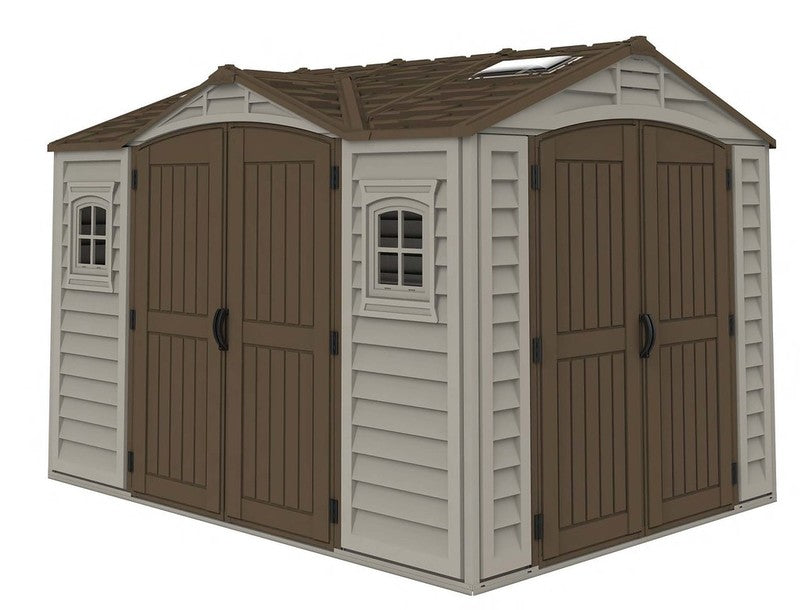

Building a shed is one of the easiest ways to add storage or create a backyard workspace—but permits can be the difference between a smooth install and a costly headache. In many U.S. cities, a shed permit depends on size, height, location/setbacks, foundation type, and whether you add utilities. Some areas exempt smaller storage sheds, while others require permits for nearly everything.
This guide explains the most common shed permit rules in the U.S., how to confirm requirements quickly, and how to choose a shed model that’s more likely to comply. Regulations are hyper-local, so always verify rules with your city or county building department before purchasing or installing.

You’re more likely to need a permit if your shed:
You may be less likely to need a permit if your shed is a small, detached, storage-only structure with no utilities—but you still must confirm locally.

What Is a Shed Permit?
A shed permit is an official approval from your city or county that confirms your shed meets:
Permits protect you from future enforcement actions and reduce issues when selling your home.
Why Cities and HOAs Require Shed Permits (or Approvals)
Permits and approvals exist to:
Even if your city doesn’t require a permit, your HOA may still require written approval and specific design rules.
The 5 Biggest Factors That Determine Shed Permit Requirements
1) Shed size (footprint)
This is the most common trigger. Many jurisdictions use size thresholds (frequently in the 100–120 sq ft range, with other common cutoffs like 144 sq ft or 200 sq ft). Bigger sheds almost always face stricter review.
2) Shed height
Height limits vary widely, but taller sheds may require a permit even when the footprint is small—especially if the structure is close to property lines.

3) Intended use (storage vs “habitable”)
A storage shed is often treated differently than a space used as:
Once a shed becomes a “use space,” rules can get stricter fast.
4) Foundation type (temporary vs permanent)

5) Utilities and mechanical systems
If you add:
…you should expect permits in most areas (and inspections).

How to Know for Sure If You Need a Shed Permit (Fastest Method)
The only definitive answer comes from your local building department or zoning office.
When you contact them, have these details ready:
Where to find your local rules quickly

Documents You May Need for a Shed Permit Application
Many permit applications ask for:

What Happens If You Build a Shed Without a Permit?
Skipping the permit process can lead to:
In most cases, the cost of fixing a violation is far higher than doing the paperwork upfront.

“Rules by State” Examples (Use as a Reference Only)
Permit rules can differ not just by state—but by city, county, and even neighborhood overlays. Examples often look like:
Treat any generalized “state rules” as illustrative, not definitive.
How to Choose a Shed More Likely to Meet Permit/HOA Requirements
If you want to reduce friction:
Frequently Asked Questions
Do I need a permit for a small shed?
Sometimes no, sometimes yes. Many places exempt sheds under a certain size, but the only correct answer comes from your local building department.
What happens if I build a shed without a permit?
You can be fined, forced to stop work, required to modify the shed, or even ordered to remove it—plus you may run into resale issues later.
How long does it take to get a shed permit?
It varies. Simple applications may be quick, while larger sheds, electrical plans, or zoning exceptions can take weeks.
Can I use a shed for more than storage?
Often yes, but using it as an office/workshop/studio can trigger stricter code requirements and additional permits—especially with electricity and HVAC.
Where do I find local shed building codes?
Check your city/county planning or building department website, or call the permit counter directly.
Duramax Sheds + Your Permit Process
Duramax sheds are made for durability and straightforward installation, but permits and HOA approvals are part of a smooth shed project. Many approvals require dimension drawings, and having product specs ready can speed up both permit applications and HOA submissions.