The best material for an outdoor shed depends on what matters most to you: low maintenance, long lifespan, climate resistance, strength for shelving, price, or style. The “right” choice is different for every homeowner—but most people want the same outcomes: a shed that stays strong, looks good, and doesn’t become a yearly maintenance project.
This guide compares the most popular shed materials—vinyl, resin, plastic, metal, wood, and glass—and shows you how to choose the best one for your property and storage goals.
What This Article Covers
- Best outdoor shed materials (pros/cons)
- Quick “best choice by priority” guide
- How to choose the best shed material for your climate and storage needs
Quick Answer: What’s the Best Shed Material?

If you want the best balance of low maintenance + durability + weather resistance, the best overall choice for most homeowners is:
-
Vinyl / Resin (especially reinforced models)
If your top priority is security and fire resistance:
If your top priority is custom looks and easy painting:
-
Wood (with ongoing maintenance)
If your goal is a light-filled backyard room or greenhouse-style space:
-
Glass garden rooms (highest cost/most specialized)
Best Outdoor Shed Materials (Pros, Cons, Best For)

1) Plastic Sheds (Entry-level: lightweight and simple)
Plastic sheds are popular because they’re easy to assemble and resistant to rot and rust.
Best for
- Light storage (bins, small tools, cushions)
- Homeowners who want basic, functional storage fast
Pros
- Lightweight and DIY-friendly
- Won’t rot or rust
- Low upkeep
Cons
- Basic models can feel thin
- Often limited for heavy shelving or wall-mounted tool systems unless reinforced
2) Resin Sheds (Upgraded plastic: stronger and longer-lasting)

Resin sheds are typically made from higher-density materials and often include better panel construction and reinforcements.
Best for
- Everyday backyard storage with better durability
- Homeowners who want low maintenance without sacrificing performance
Pros
- Better UV and weather resistance than basic plastic
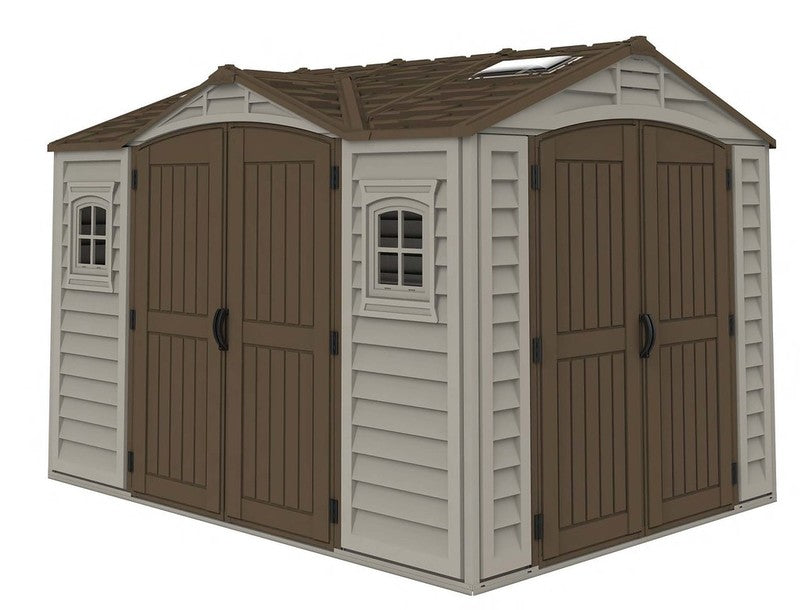
- Many include vents, windows, skylights, and stronger wall design
- Holds up well with minimal maintenance
Cons
- Higher cost than basic plastic
- Customization (painting/modifying) is limited
3) Vinyl Sheds (Premium low maintenance, great in harsh weather)

Vinyl sheds are often considered a top-tier “set-it-and-forget-it” option. Color tends to be integrated into the material, reducing repainting concerns and keeping the shed looking clean over time.
Best for
- Hot sun, rain, snow, and weather swings
- Homeowners who want long life with minimal upkeep
- People who don’t want painting, sealing, or rot worries
Pros
- Excellent moisture and pest resistance
- Low maintenance and long-lasting
- Strong performance in extreme seasonal conditions
Cons
- Usually mid-to-upper price range
- Not as paint-customizable as wood
4) Metal Sheds (Great value + security, but watch humidity)

Metal sheds offer strength and price efficiency. They’re often chosen for tool storage, equipment protection, and added security.
Best for
- Tool and equipment storage
- Budget-focused buyers who still want durability
- Drier climates (or owners willing to manage rust prevention)
Pros
- Strong, fire-resistant, and often more secure than thin plastic
- Great value per square foot
- Resistant to pests and rot
Cons
- In wet/coastal climates, rust prevention matters
- Can get hot inside in direct sun without ventilation/insulation
5) Wood Sheds (Most customizable, highest maintenance)

Wood is the classic shed look and the most flexible for paint, trim, and DIY customization.
Best for
- Homeowners who want a specific aesthetic
- People willing to maintain and refinish
- Heavy tool setups where you want strong anchoring for shelves/hooks
Pros
- Warm, traditional appearance
- Easy to customize and paint
- Strong framing potential
Cons
- Needs sealing/painting/staining to avoid rot and insect damage
- More upkeep over time (often higher lifetime cost)
6) Glass Sheds / Garden Rooms (Special-purpose, light-filled spaces)

Glass structures are more “backyard room” than storage shed. They’re ideal for greenhouses, garden rooms, or office-style uses where light matters.
Best for
- Greenhouse-like use or bright backyard retreat
- Home offices or creative spaces (depending on model insulation)
Pros
- Beautiful natural light and modern look
- Great for plant use or lounging/work vibes
Cons
- Higher cost and complexity
- Not ideal for rough storage or impact-prone environments
How to Choose the Best Outdoor Shed Material for You

1) Maintenance tolerance (most important for many buyers)
- Want minimal upkeep → Vinyl/Resin
- Don’t mind periodic care → Metal (rust prevention) or Wood (painting/sealing)
2) Climate and environment
- Wet/humid/snowy areas → Vinyl/Resin are usually best
- Hot/dry climates → Metal can be great, but plan ventilation
- Coastal/high humidity → choose vinyl/resin or ensure metal has strong corrosion protection
3) Strength and wall storage (hooks/shelves)
If you plan to hang tools, add shelves, or store heavy items:
- Look for reinforced walls/columns (common in higher-quality vinyl/resin sheds)
- Wood supports mounting well, but requires maintenance long-term
4) Budget vs long-term value
- Lowest upfront cost → basic plastic or metal
- Best long-term “value with less hassle” → vinyl/resin
- Most aesthetic/custom → wood (with ongoing maintenance cost)
5) Installation complexity
- Easiest DIY install → plastic/resin/vinyl panel systems
- More patience required → metal (thin panels, more fasteners)
- Most complex → glass garden rooms
Conclusion: Which Shed Material Wins?

There’s no single winner for everyone, but for most homeowners looking for a shed that stays clean, strong, and low-maintenance in real outdoor conditions, vinyl/resin is usually the best overall shed material.
- Choose vinyl/resin for longevity + low maintenance
- Choose metal for security + value (especially in dry climates)
- Choose wood for customization + classic look (if you’ll maintain it)
- Choose glass for a backyard room/greenhouse-style purpose